
Waterproofing Specialists in Cape Town
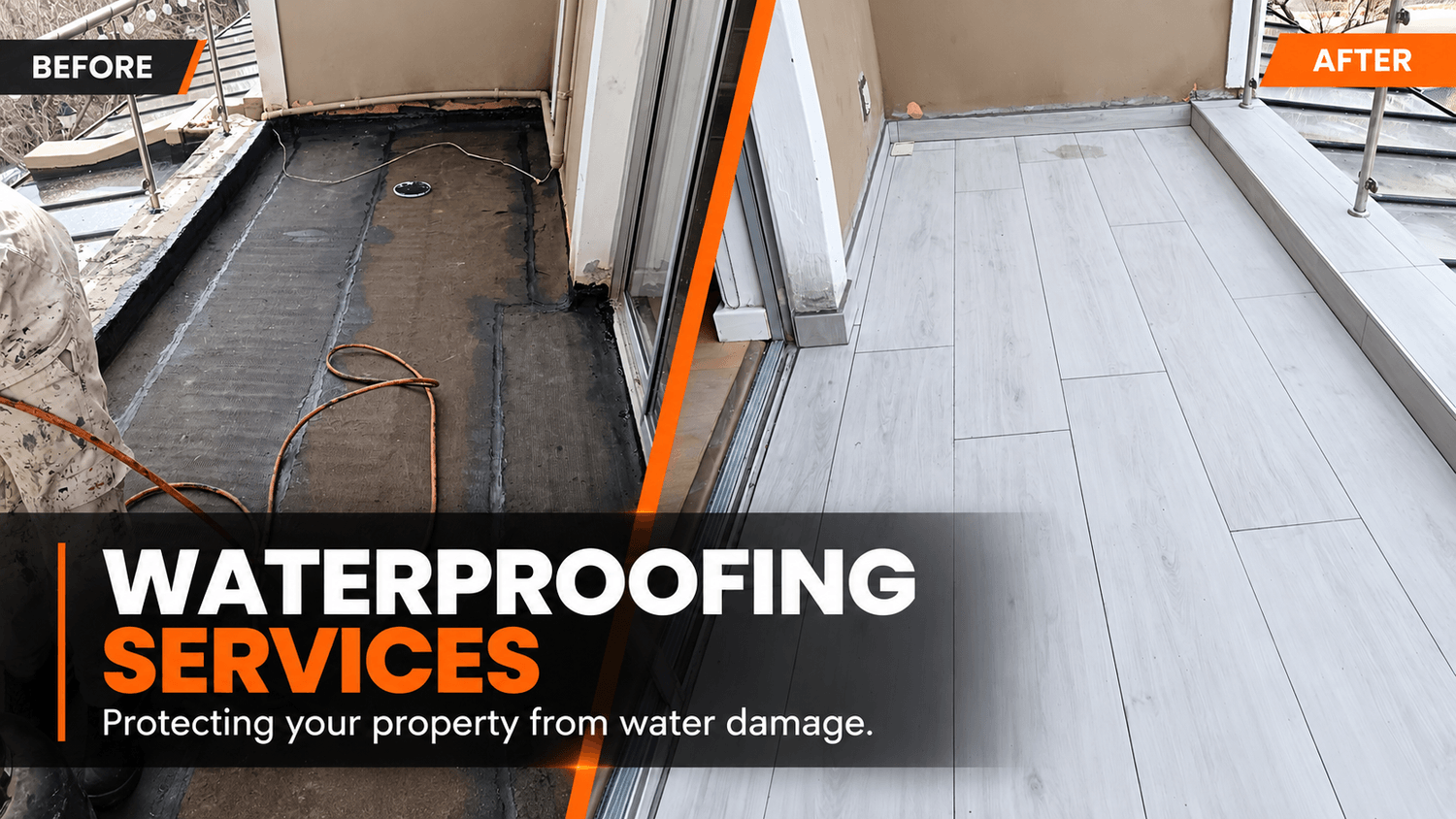
Free assessment
Cape Town
Residential & commercial
Quality Workmanship
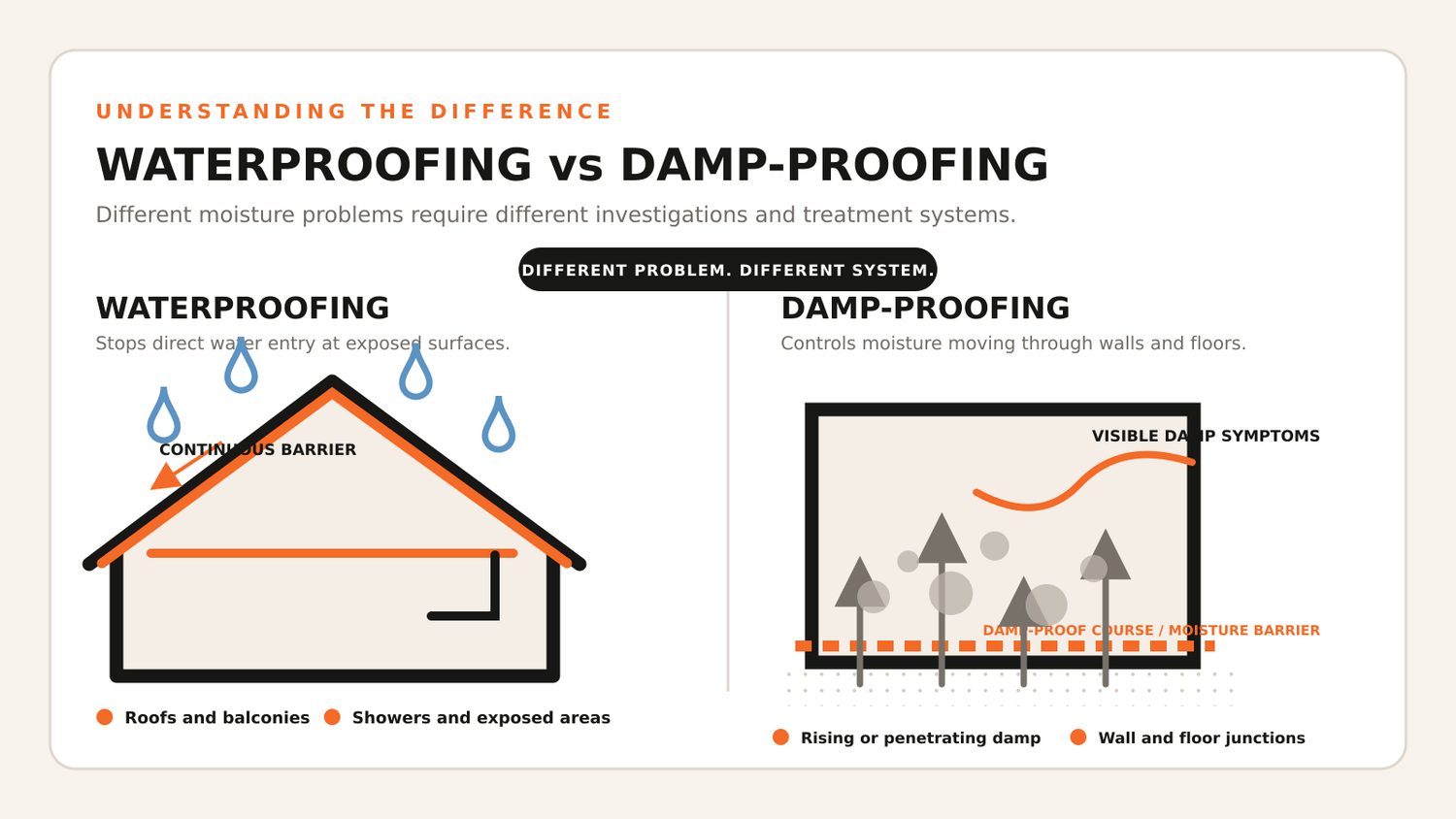
CONTROL THE SOURCE. PROTECT THE PROPERTY
We assess the property first, then recommend the solution that suits the condition and required results
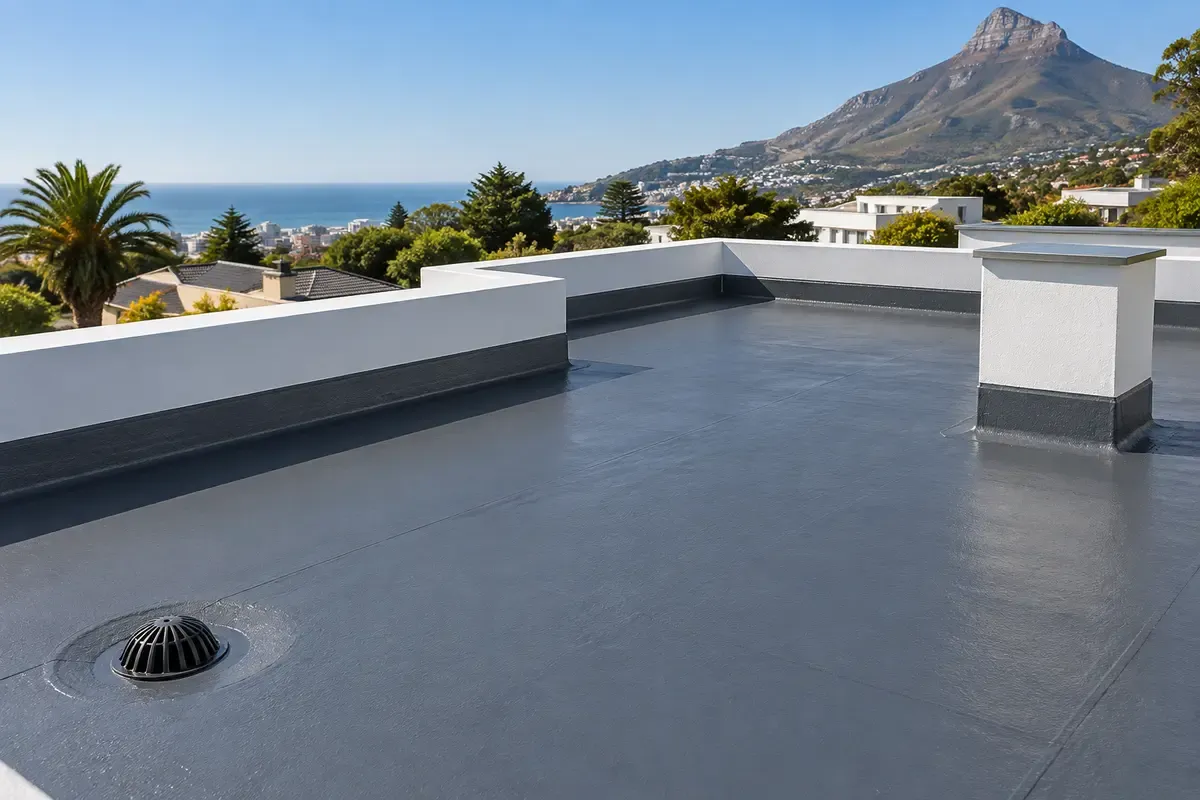
Protect exposed roof surfaces, outlets and upstands with a system selected for the roof condition & construction.
Learn More →
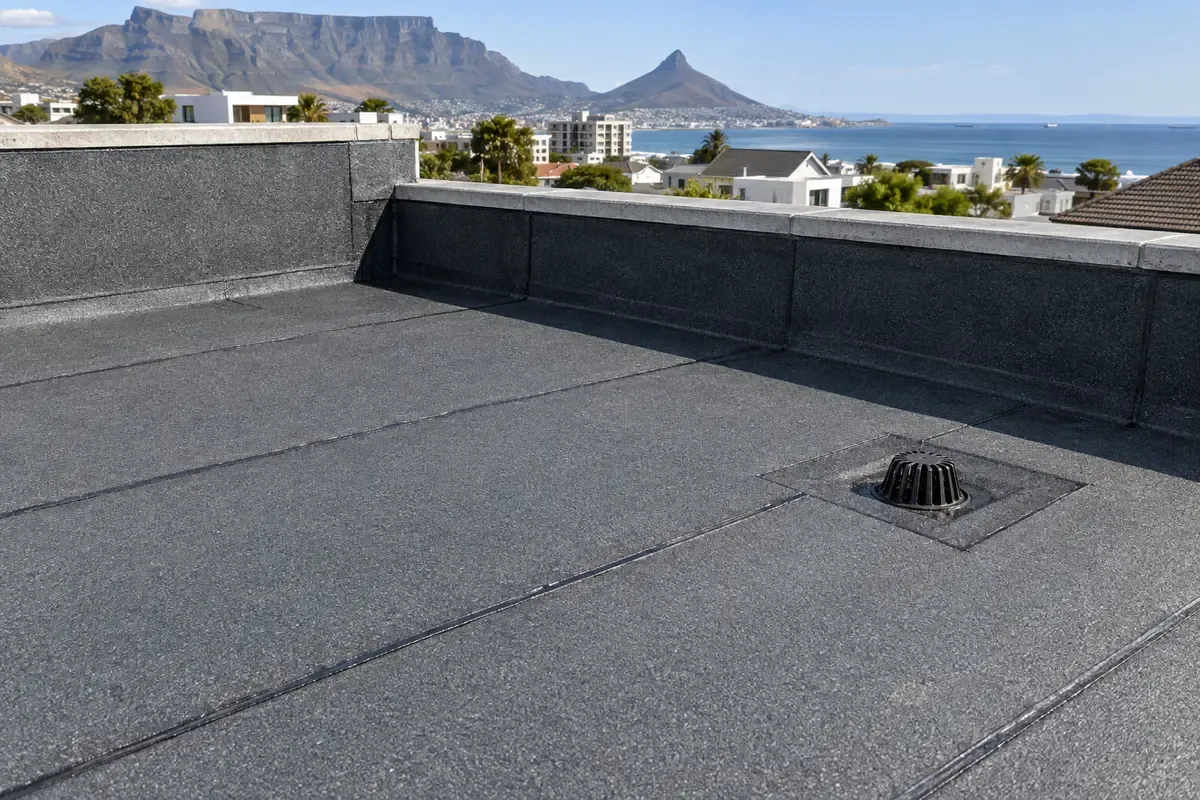
A durable membrane solution for suitable flat roofs, applied with sealed overlaps & joints and carefully detailed edges.
Learn More →
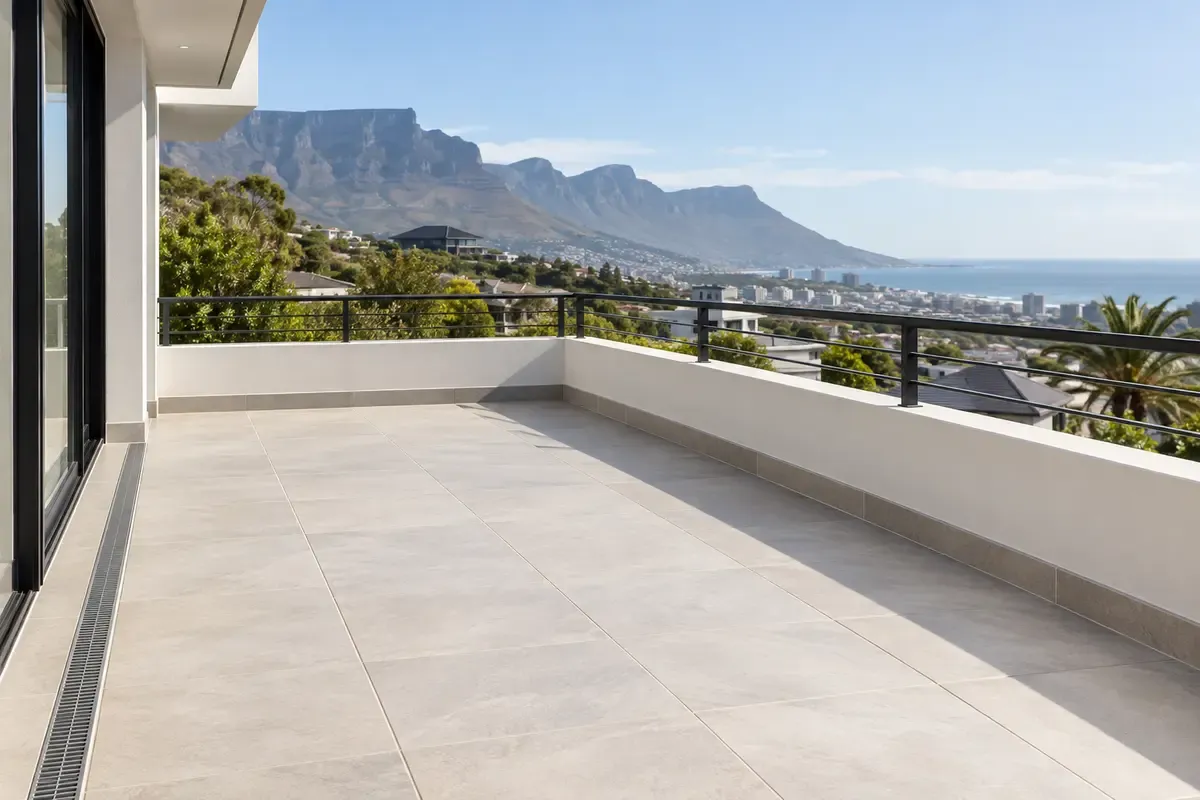
Waterproofing beneath or above finishes, with attention to falls, drainage, thresholds and perimeter junctions.
Learn More →
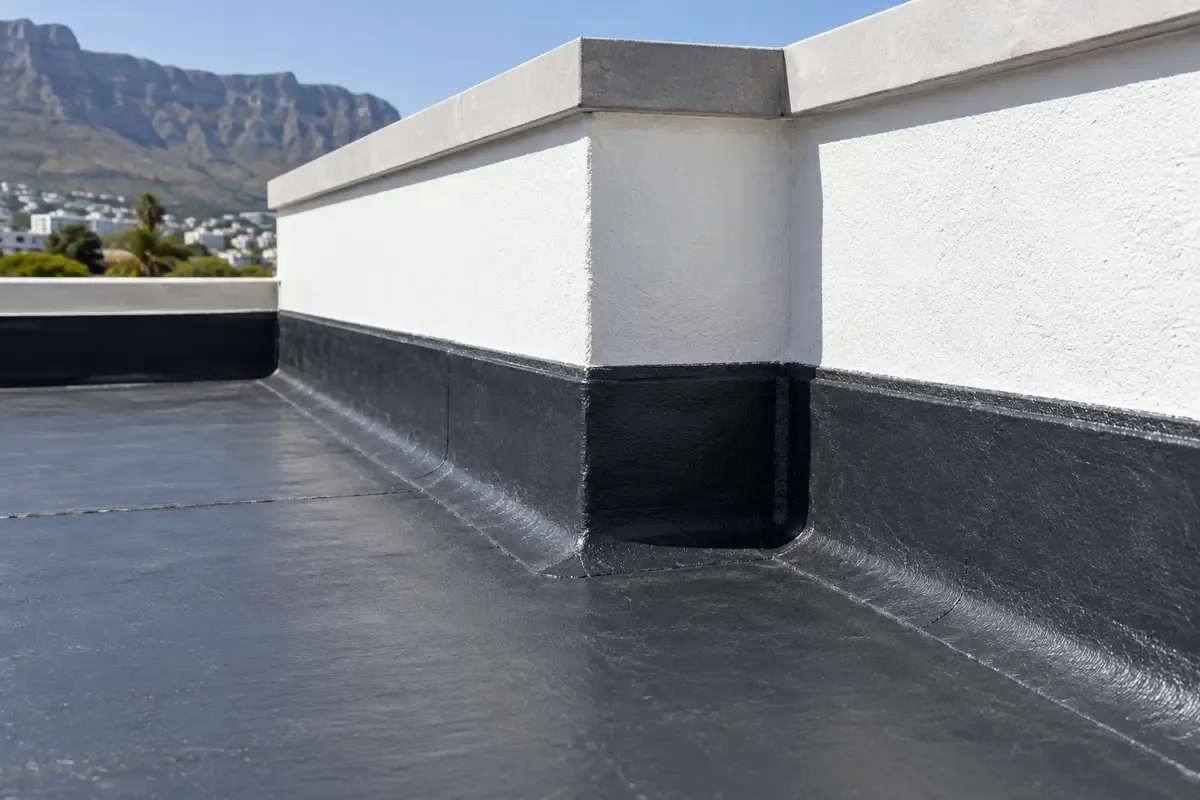
Targeted treatment of vulnerable roof-to-wall connections, parapet upstands, corners and termination points.
Learn More →
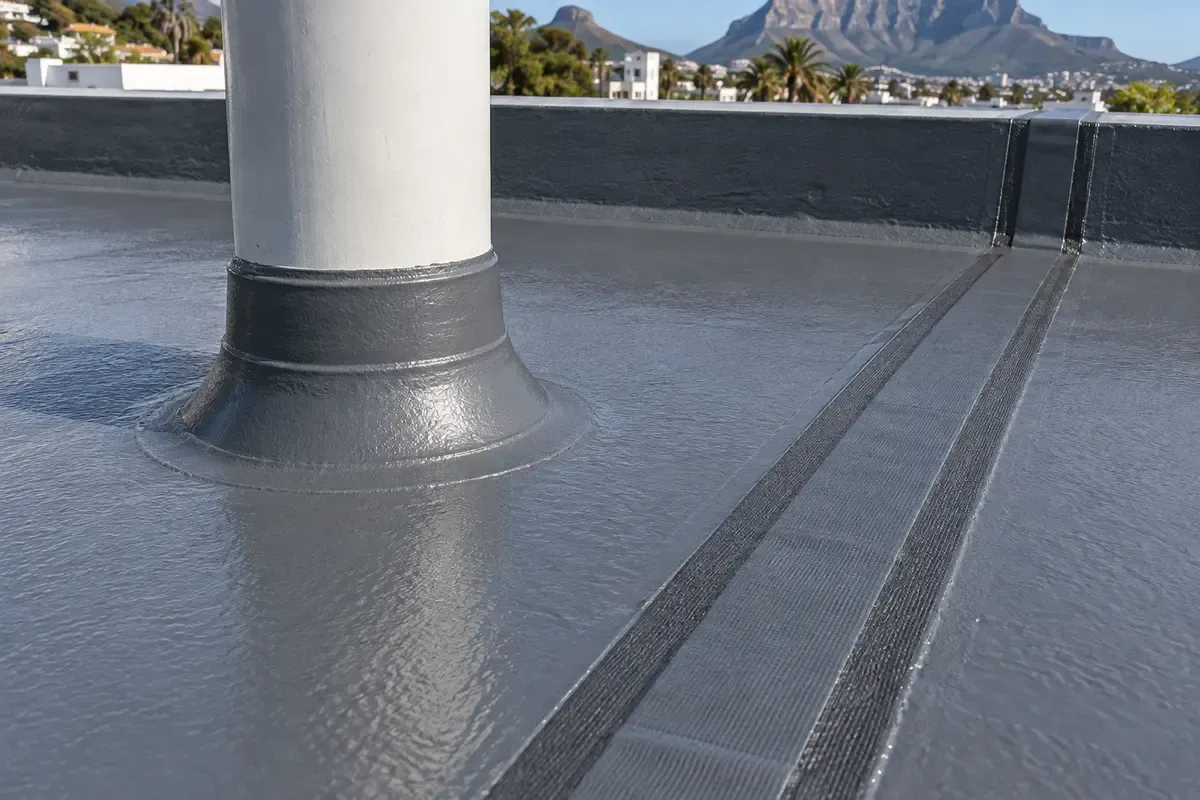
Flexible detailing around movement cracks, joints, pipes, outlets and other common water-entry points.
Learn More →
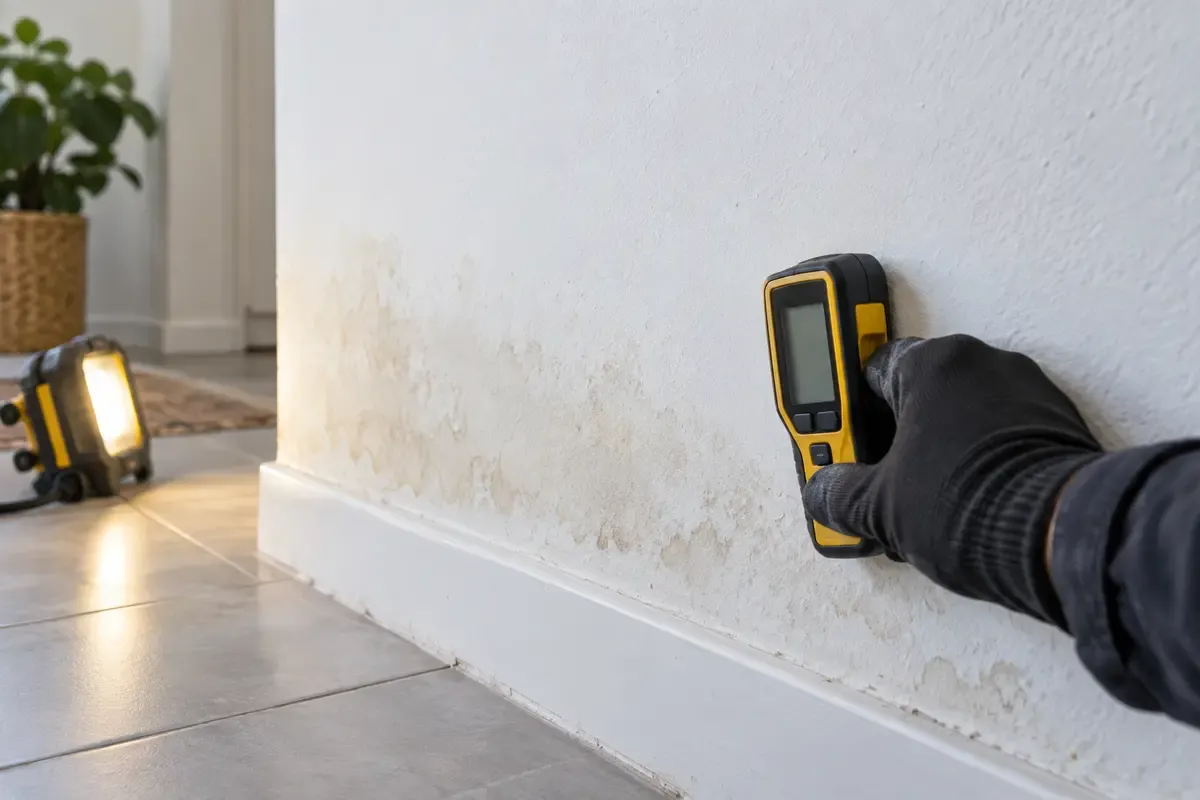
A practical assessment to identify likely moisture sources before recommending repairs or damp-proofing work
Learn More →
NOT SURE WHERE THE WATER IS ENTERING?
Send us the location of the problem, a brief description and a few clear photos. We will review the information and advise you on the appropriate next step.
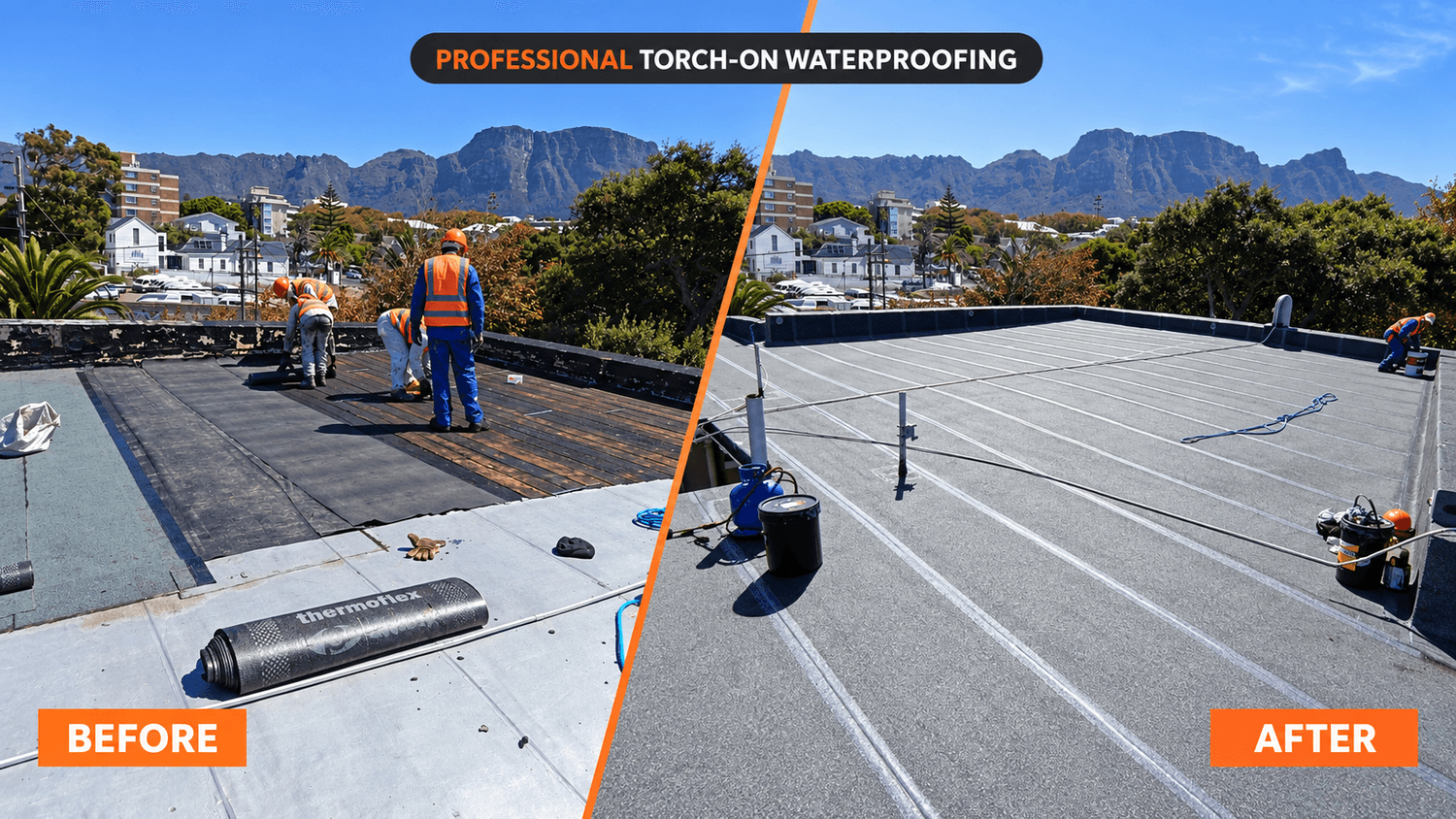
REAL WORK. VISIBLE RESULTS.
HOW IT WORKS
ASSESS. RECOMMEND. COMPLETE.
Our guided ''Quote Planner'' collects the essentials so we can understand your needs before arranging an assessment.



OUR WATERPROOFING PROCESS
A sound result starts before the waterproofing is applied.
We follow a practical four-stage approach designed around the affected area, substrate condition and selected waterproofing system.
❶ Assessment
We inspect the visible damage, likely water-entry points, drainage and surrounding construction to understand the problem before recommending work.
The assessment may include roof surfaces, parapets, outlets, cracks, wall junctions, balconies, terraces and visible internal moisture damage.
❷ Preperation
Failed material, contamination and loose coatings are removed where required. Cracks, junctions and surfaces are repaired and prepared to provide a suitable base for the selected waterproofing system.
Good preparation is essential for adhesion and long-term performance.
❸ Application
The selected waterproofing system is applied with careful attention to coverage, overlaps, reinforcement, upstands, corners, outlets and penetrations.
Application and curing requirements will depend on the product, surface condition and weather conditions at the time of the work.
❷ Testing & Handover
We inspect the completed waterproofing details and, where the area and system permit, carry out appropriate water or flood testing before final handover.
Testing methods depend on the construction, drainage and waterproofing system. Flood testing is not suitable for every roof, balcony or repair area.
FREQUENTLY ASKED QUESTIONS
Common signs include water stains, peeling paint, bubbling plaster, mould, damp smells, cracked sealants and visible moisture after rain. Water may also collect on flat roofs, balconies or other surfaces instead of draining correctly. A professional assessment can help identify the source and extent of the problem.
We provide waterproofing solutions for roofs, balconies, terraces, parapets, joints, penetrations and other vulnerable areas. Our services include torch-on waterproofing, waterproofing repairs, sealant work and damp-related assessments.
Yes. We assess the affected area, identify visible defects and consider how water may be entering or collecting. We then recommend a suitable waterproofing or remedial solution based on the surface, condition and source of the problem.
Yes. Flat roofs often require particular attention because water can collect around outlets, laps, flashings, penetrations and low areas. The most suitable system will depend on the existing waterproofing, roof construction, drainage and overall condition.
Torch-on waterproofing uses a bituminous membrane that is heated and bonded to a suitably prepared surface. When correctly specified and installed, it creates a continuous waterproof layer commonly used on flat roofs and other compatible surfaces.
No. The substrate, roof design, drainage, existing materials and surrounding fire risks must be assessed first. Where torch-on waterproofing is unsuitable, an alternative system may be recommended.
Yes. Balconies and terraces are vulnerable to water penetration around tiles, joints, edges, outlets, door thresholds and wall connections. The correct solution depends on whether the problem is caused by failed waterproofing, defective joints, poor drainage or another source.
In some cases, a waterproofing system may be applied over a suitable tiled surface, but this depends on the condition, stability and preparation of the tiles and joints. In other cases, the tiles may need to be removed to access and repair the underlying waterproofing system.
Common causes include poor surface preparation, incorrect product selection, inadequate drainage, movement or cracking, damaged flashings, failed sealants, blocked outlets, incorrect installation and deterioration caused by age or weather exposure.
Yes. Localised repairs may be possible when the damage is limited and the surrounding system remains serviceable. If deterioration is widespread or the existing system has repeatedly failed, a more extensive restoration or replacement may be required.
Depending on the system installed, and based on manufacturer guarantees. It could be anything between 2-10 years.
The timeframe depends on the size and condition of the area, the waterproofing system selected, surface preparation requirements and the weather. Small repairs may be completed quickly, while larger roof or balcony projects may require several days.
Most waterproofing products require a dry, properly prepared surface and suitable weather conditions. Rain, strong winds, excessive moisture or low temperatures may delay the work or affect the performance of the system.
Waterproofing may resolve mould or damp caused by external water penetration, but not every damp problem comes from failed waterproofing. Condensation, plumbing leaks, rising damp and inadequate ventilation can produce similar symptoms. The source should be identified before work begins.
Waterproofing is generally used to prevent liquid water from entering through exposed surfaces such as roofs, balconies and walls. Damp-proofing addresses moisture movement through building materials. The correct treatment depends on the source and nature of the moisture.
Yes. Joints, cracks, flashings, pipes, outlets and other penetrations are common water-entry points. We assess these areas and use suitable detailing or sealants where appropriate.
Yes. After assessing the property and determining the required scope of work, we provide a quotation for approval. If additional defects are discovered during the project, they will be discussed with you before extra work proceeds.
Guarantees depend on the type of work, the selected waterproofing system, the existing condition of the property and the products used. Any applicable workmanship or product guarantees will be explained in the quotation.
We recommend periodic inspections and additional checks after severe storms or when signs of water penetration appear. Roof outlets, joints, flashings, sealants and drainage areas should be kept clear and maintained.
It is helpful for someone to provide access and explain any visible signs of leaking or damage inside the property. However, the arrangements will depend on the property and the areas that need to be inspected.
TELL US WHAT YOUR PROPERTY NEEDS.
Build the brief. Get the right quote.
No onligation.

Professional property solutions across Cape Town and Surrounding areas
SERVICES
Qonstrukt
Cape Town, South Africa